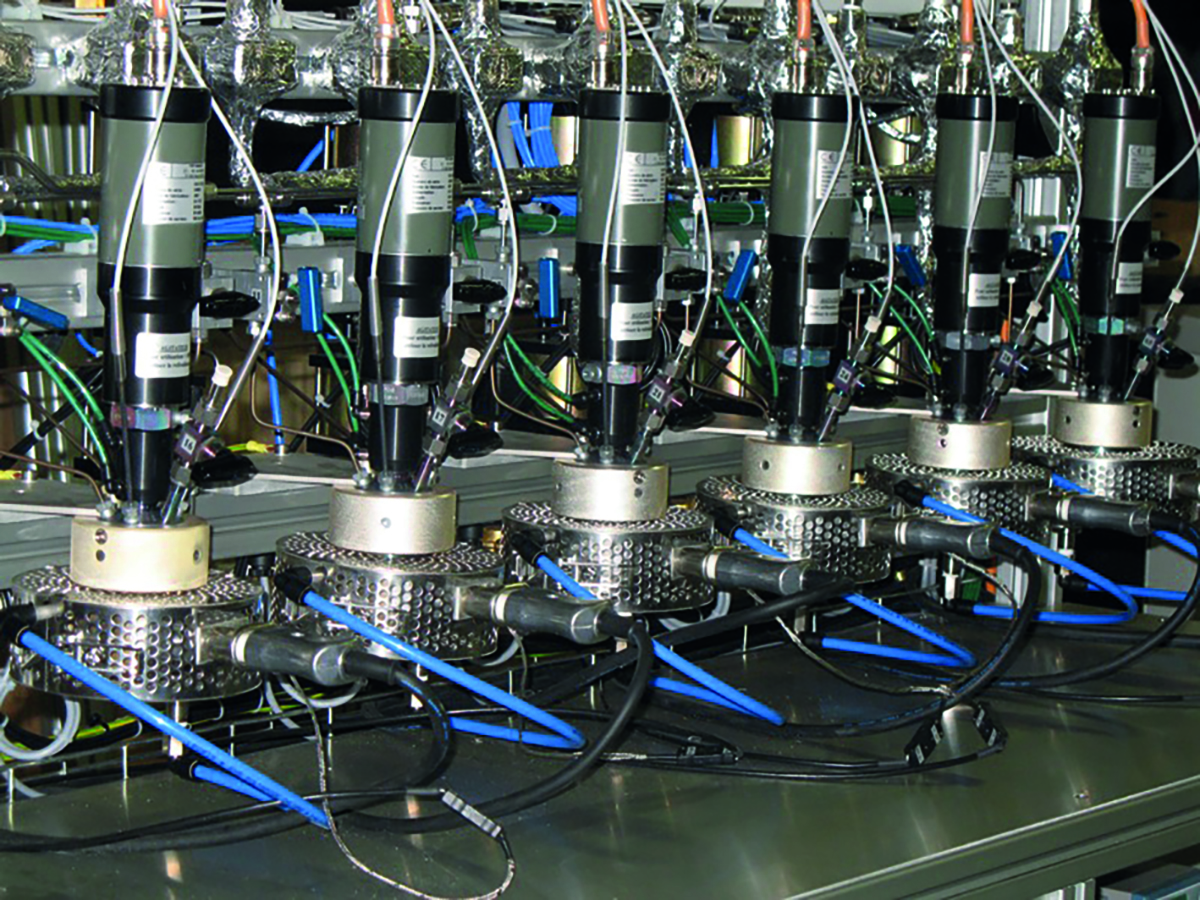
Gas boosters are used when a gas supply needs to be increased to a higher pressure than is available from the original source. They are commonly found in high pressure testing, research, aerospace, manufacturing and industrial applications where controlled and reliable gas pressure is essential.
But how does a gas booster actually work, and when might you need one?
What is a gas booster?
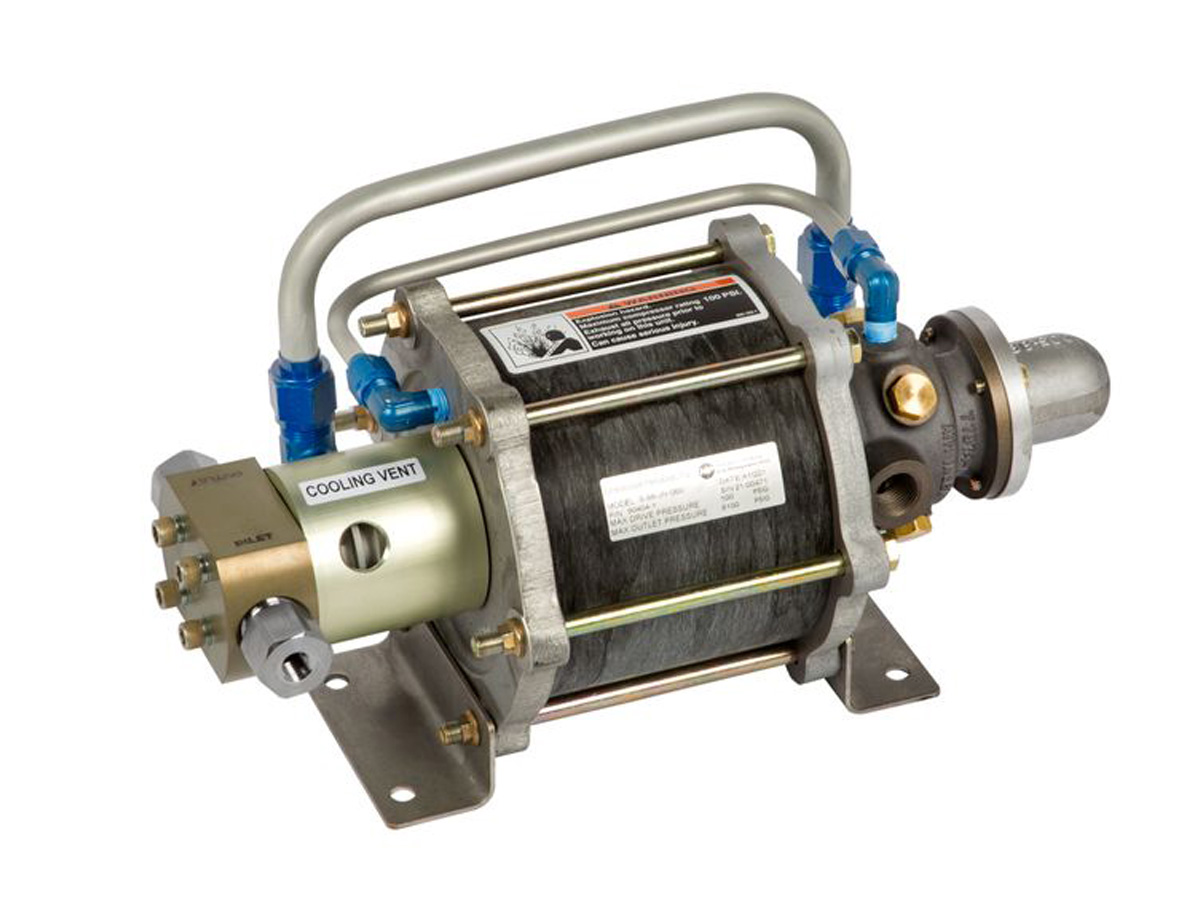
A gas booster takes gas supplied at one pressure and compresses it to produce a higher outlet pressure. Unlike a conventional gas compressor, many high pressure gas boosters are air driven. Compressed air powers a larger drive piston, which in turn operates a smaller compression piston. The difference between these piston areas allows the gas pressure to be increased significantly.
The achievable outlet pressure depends on factors including the booster ratio, available drive pressure and inlet gas pressure.
How does an air driven gas booster work?
Air driven boosters operate using the principle of differential piston areas. Low pressure compressed air acts against a relatively large piston. This movement drives a smaller piston that compresses the process gas within the high pressure section of the booster. As the outlet pressure increases, the booster gradually slows until the forces within the system reach equilibrium. If the outlet pressure subsequently falls, the booster automatically begins cycling again to restore the required pressure.
This makes air driven gas boosters particularly useful for applications where high pressure needs to be generated and maintained without relying on a large electric compressor.
What gases can be boosted?
The suitability of a booster depends on its design and the materials used, but systems are available for working with a wide range of gases. Hi-Pro has experience with pressurised systems involving media including nitrogen, helium and hydrogen, as well as more demanding applications requiring specialist equipment. Gas compatibility should always be considered alongside pressure, temperature, required flow and the intended application when selecting equipment.
Where are gas boosters used?
Typical uses include:
- High pressure component testing
- Pressure and instrument calibration
- Accumulator charging
- Gas transfer and recovery
- Aerospace component testing
- Laboratory and research applications
- Gas injection processes
- Pressure testing of valves, hoses and other components
They can also be used where the available pressure from bottled gas is insufficient for the required process.
Why use an air driven gas booster?
One of the main advantages of an air driven system is its simplicity. The booster can operate from an existing compressed air supply and does not necessarily require an electrical drive system. Depending on the equipment selected, other benefits can include automatic restarting when outlet pressure falls, the ability to maintain pressure at equilibrium and separation between the drive air and the gas being boosted.
Sprague gas boosters supplied through Hi-Pro are designed for a wide range of industrial and research applications and are available in different configurations and pressure ratios.
Choosing the right gas booster
There is no single booster suitable for every high pressure application, important factors include:
- Available inlet gas pressure
- Required outlet pressure
- Available compressed air pressure
- Gas type
- Required flow rate
- Duty cycle
- Desired pressure ratio
- System configuration
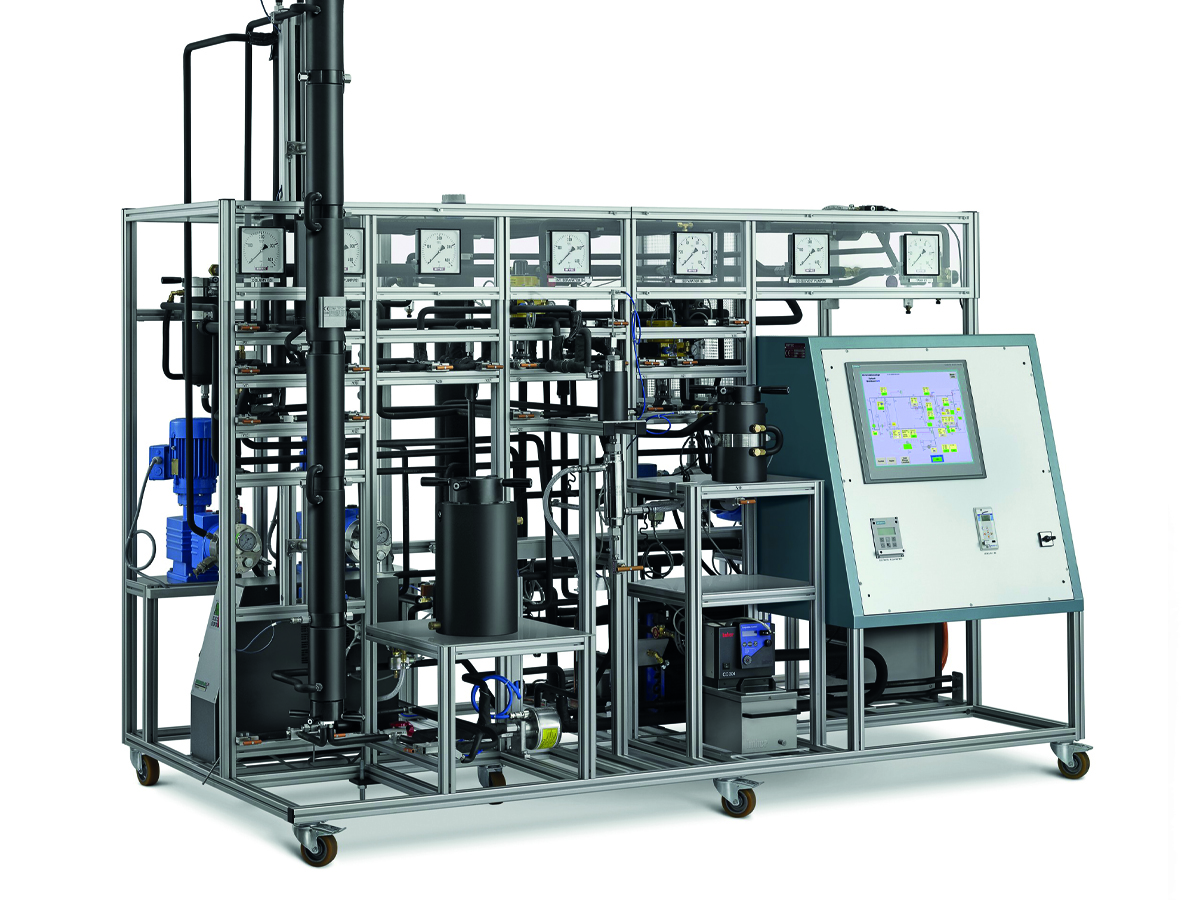
Understanding both the normal operating conditions and maximum pressure requirements is essential when specifying a booster. In some cases, a complete booster power unit incorporating controls, gauges and associated components may be more appropriate than a standalone booster.
Sprague gas boosters from Hi-Pro
Hi-Pro Pressure Products distributes Sprague Products, including air driven gas boosters, pumps and associated power units. Sprague gas boosters are available in a range of configurations to suit different pressures, gases and applications, providing solutions for both industrial and research environments.
Need help selecting a gas booster?
Selecting the correct gas booster requires more than simply matching an inlet and outlet pressure. Gas type, available drive pressure, required flow, operating conditions and the wider system all need to be considered.
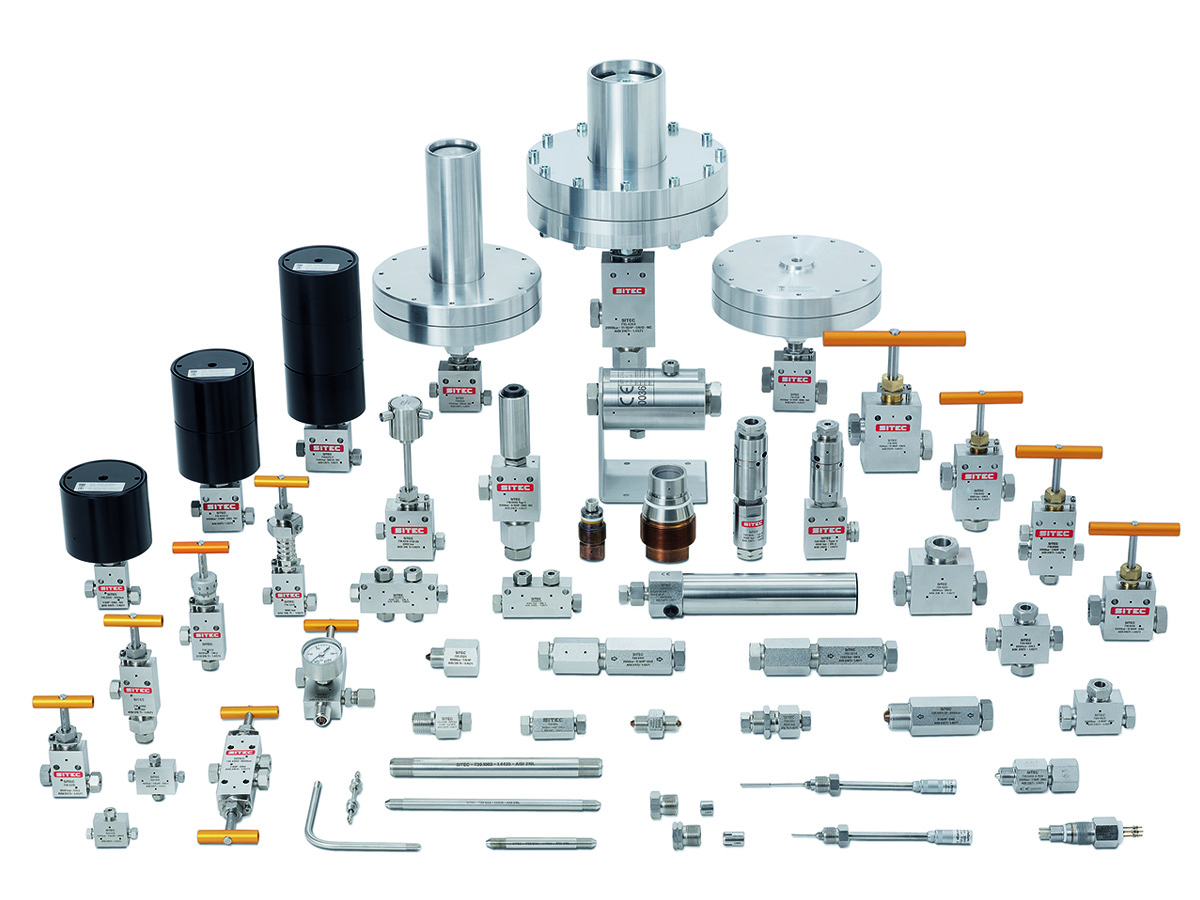
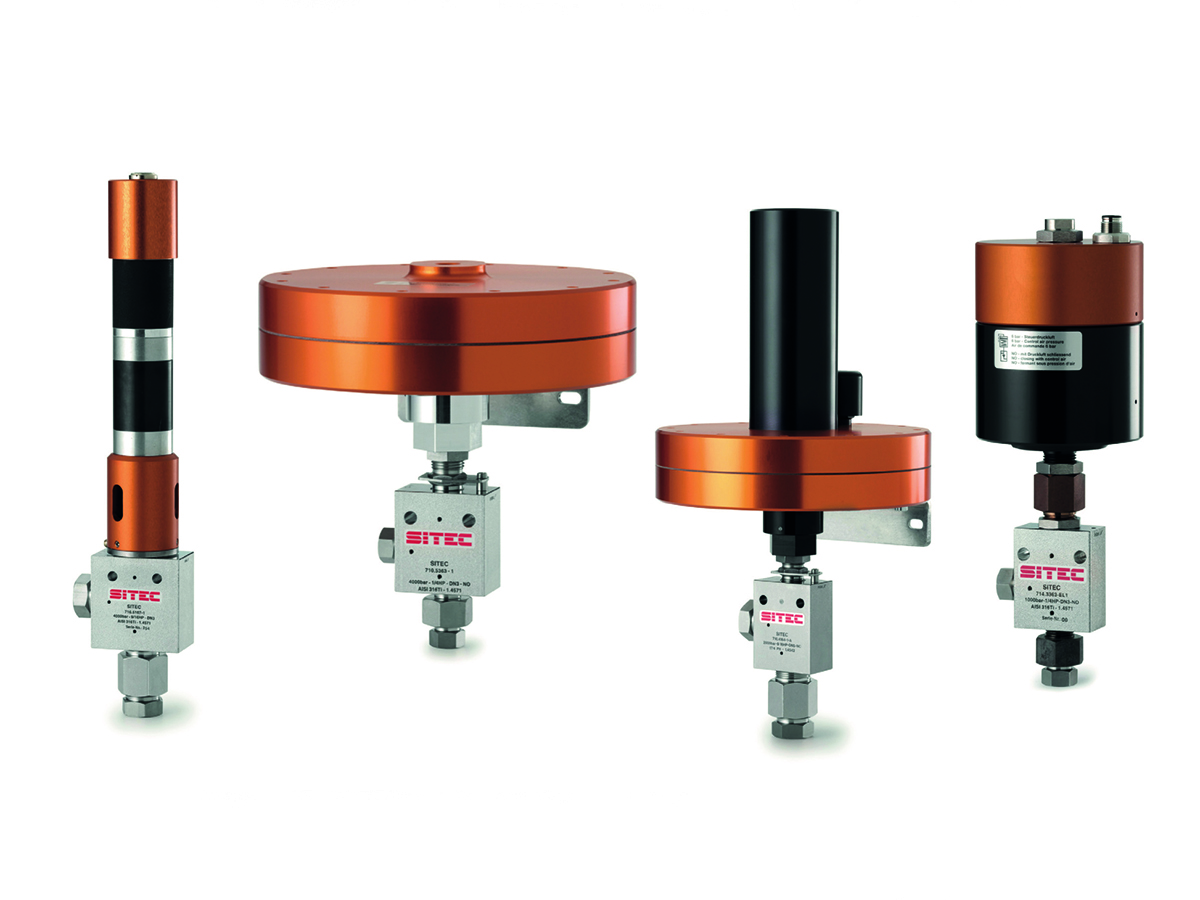
Hi-Pro can help identify the appropriate booster and associated high pressure components for your application. Contact our team to discuss your requirements.