When selecting a high pressure valve you must consider pressure, temperature, media, flow requirements, materials and connection type. This can all influence which valve is suitable for a particular system. Getting that specification right is especially important in high pressure applications where reliability, safety and precise control are essential.
Start with the operating pressure
The first consideration is the maximum pressure the valve will experience. The valve must be appropriately rated for the working conditions of the complete system, including any pressure fluctuations or operating cycles that may occur. Hi-Pro specialises in high pressure systems operating at pressures up to 10,000 bar, supplying components for research, testing and industrial applications.
What media will pass through the valve?
The liquid or gas being controlled is equally important. High pressure systems may use media such as:
- Water
- Hydraulic oils
- Nitrogen
- Helium
- Hydrogen
- Diesel
- Specialist gases and chemicals
Hi-Pro works with systems using both gaseous and liquid media, including applications involving aggressive or demanding substances. Valve materials, seals and internal components must therefore be compatible with the intended media.
Consider the valve’s purpose
Different valves perform different roles within a system. A valve may be required to:
- Start or stop flow
- Provide fine flow control
- Prevent reverse flow
- Isolate part of a system
- Protect equipment
- Control pressure during testing
Understanding exactly what the valve needs to do is essential before selecting a product. For example, a valve designed primarily for isolation may not provide the same level of fine control as a needle valve designed for regulating flow.
Material selection
High pressure valves are available in different materials depending on the application. Factors such as corrosion resistance, temperature and compatibility with the process media should all be considered. Stainless steel is widely used in high pressure equipment because of its strength and corrosion resistance, but more specialist materials may be required for particularly demanding applications.
Connections and system compatibility
A high pressure valve needs to integrate correctly with the surrounding tubing, fittings and equipment. Connection size and type must therefore be considered alongside the valve itself. Using compatible components throughout the system helps maintain reliability and reduces unnecessary connection points or adaptors.
Standard valve or bespoke solution?
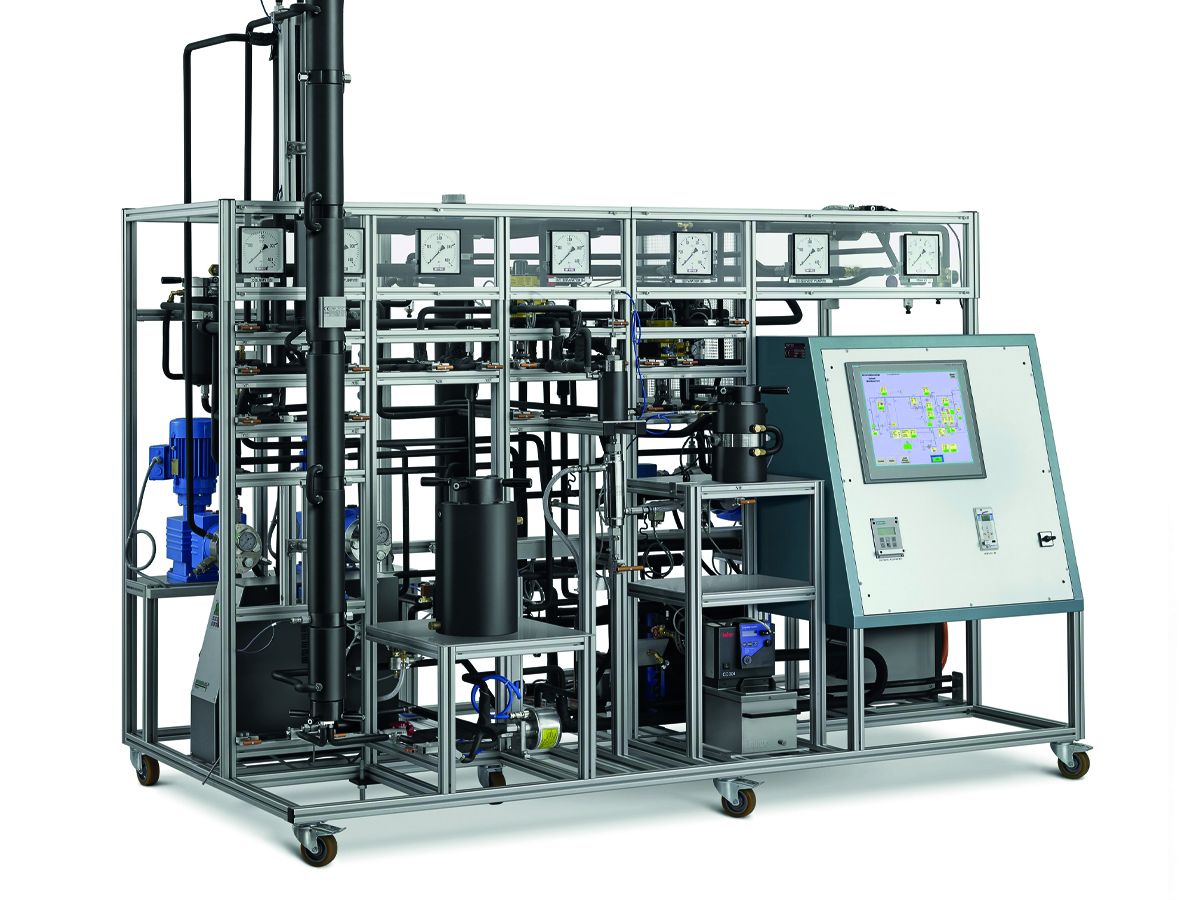
Many applications can be handled using an established range of high pressure valves. Others may involve unusual pressures, materials, media or physical constraints that require a modified or custom-made component. Hi-Pro works with specialist manufacturers to facilitate bespoke high pressure components and engineered solutions where a standard product is not suitable.
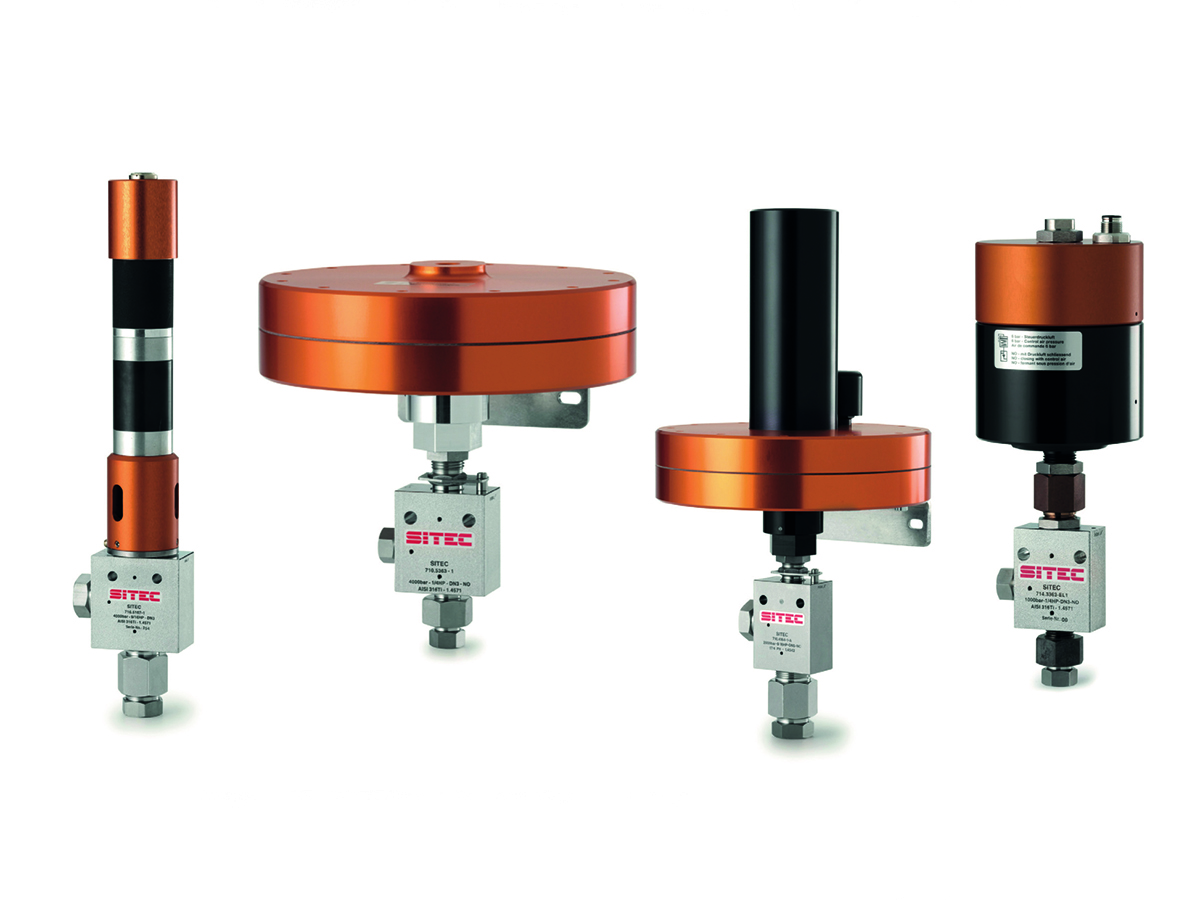
SITEC high pressure valves
Hi-Pro is the sole UK distributor for SITEC-Sieber Engineering, a Swiss manufacturer specialising in high pressure technology. The SITEC range includes high pressure valves alongside fittings, tubing, hoses, pressure vessels, pressure generators and accessories. This allows individual valves to be specified as part of a wider high pressure system using compatible components.
Need help selecting a high pressure valve?
At high pressures, seemingly small differences in specification can have a significant impact on performance and suitability. Rather than selecting a component based purely on pressure rating, consider the complete application, including pressure, media, temperature, flow and system configuration. If you’re unsure which high pressure valve is right for your application, speak to the Hi-Pro team. We can help identify the most appropriate solution based on your technical requirements.